Every year, across Kenya’s sweeping savannahs, shimmering Rift Valley lakes, dense forests, and turquoise coastal waters, millions of animals embark on extraordinary journeys that have been repeated for generations. Some travel hundreds of kilometers in search of fresh grazing after seasonal rains. Others cross continents, flying thousands of kilometers from Europe and Asia to spend the northern winter in Kenya’s warmer climate. Along the Indian Ocean, giant humpback whales glide through coastal waters on one of the world’s longest marine migrations, while sea turtles return to the very beaches where they were born to lay their eggs.
These remarkable journeys are among nature’s greatest survival strategies. Driven by changing seasons, food availability, breeding cycles, and ancient instincts, migration allows wildlife to adapt to an ever-changing environment. The result is a constantly shifting natural spectacle that makes Kenya one of Africa’s most dynamic wildlife destinations throughout the year.
When people think of animal migrations in Kenya, the famous Great Wildebeest Migration often comes to mind. Every year, more than a million wildebeest, accompanied by zebras and gazelles, move into the Maasai Mara in one of the world’s most celebrated wildlife spectacles. Yet this iconic event is only one chapter in Kenya’s migration story. Across the country, elephants follow ancient wildlife corridors, flamingos move between alkaline lakes as food conditions change, migratory birds arrive from distant continents, and marine giants navigate the warm waters of the Indian Ocean.
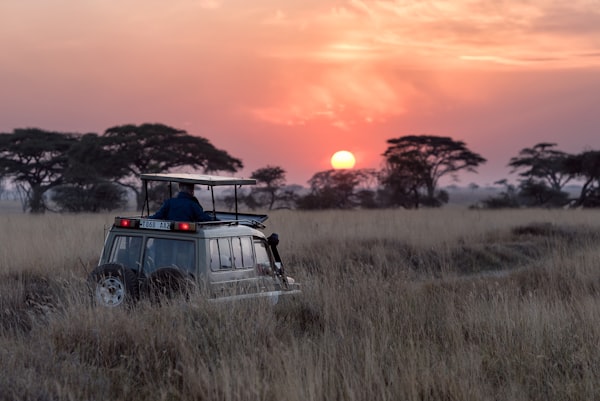
Understanding these migrations adds a new dimension to any safari. Rather than simply spotting wildlife, you begin to appreciate the seasonal rhythms that shape Kenya’s ecosystems and the remarkable instincts that guide animals across landscapes, lakes, and oceans. Whether you are planning your first safari, hoping to witness the drama of a river crossing, or looking for lesser-known wildlife experiences beyond the Maasai Mara, learning about these migrations will help you experience Kenya at its most extraordinary.
What Is Animal Migration?
Animal migration is the regular movement of animals from one place to another, usually in response to seasonal changes in weather, food availability, breeding opportunities, or water resources. Unlike random wandering, migration follows predictable patterns that have developed over thousands of years. Many species return to the same destinations year after year, often following routes that are deeply ingrained through instinct and, in some cases, learned behavior.
Not every seasonal movement qualifies as a true migration. Some animals shift only short distances within the same ecosystem when rainfall changes, while others undertake epic journeys that span countries, continents, or oceans. In Kenya, both types of movement are important. Massive long-distance migrations, such as the annual movement of wildebeest between the Serengeti and the Maasai Mara, occur alongside shorter but equally significant seasonal movements by elephants, flamingos, zebras, and other wildlife.
Migration is also one of nature’s most effective ways of maintaining healthy ecosystems. As animals move, they disperse seeds, recycle nutrients, shape vegetation through grazing, and provide food for predators and scavengers. Their journeys connect distant habitats, making migration not just a spectacle for visitors but an essential ecological process that supports biodiversity across Kenya’s landscapes.
For travelers, understanding migration transforms a safari from a simple wildlife viewing experience into an opportunity to witness nature’s intricate balance. It reveals why certain animals appear in one place during a particular season and disappear months later, reminding us that Kenya’s wildlife is constantly responding to the rhythms of the natural world.
Why Animals Migrate in Kenya
Kenya’s diverse landscapes experience distinct wet and dry seasons, and these seasonal changes are the driving force behind many wildlife movements. From the open grasslands of the Maasai Mara to the alkaline lakes of the Great Rift Valley and the coral-rich waters of the Indian Ocean, animals constantly respond to changing environmental conditions in order to survive.
For grazing mammals such as wildebeest, zebras, buffaloes, and many antelope species, rainfall determines where fresh grass will grow. As one region dries out, another begins to flourish, encouraging herds to move in search of nutritious pasture. These migrations are not random. Many animals follow ancient routes that have been used for countless generations, guided by instinct and environmental cues.
Water is equally important. During prolonged dry periods, rivers, wetlands, and permanent water sources become gathering points for wildlife. Elephants, in particular, undertake seasonal journeys between protected areas and community lands, travelling along traditional corridors to reach dependable water and feeding grounds. Protecting these routes has become a key focus of conservation because blocked migration paths can increase conflict between people and wildlife.
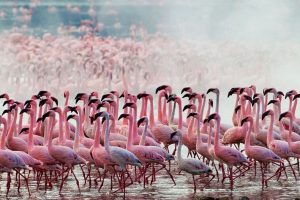
Not all migrations are driven by grazing. Flamingos, for example, move between Kenya’s soda lakes depending on water levels and the abundance of microscopic algae that form the bulk of their diet. A lake that hosts hundreds of thousands of flamingos one year may have very few the next if conditions become unsuitable. Their movements are flexible, responding to changes in food rather than following a fixed annual route.
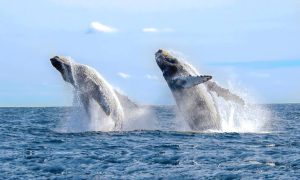
Breeding is another powerful motivation. Humpback whales migrate through Kenya’s coastal waters as part of a much larger journey across the Indian Ocean, while sea turtles return to familiar nesting beaches to lay their eggs. Migratory birds arrive from Europe and Asia each year to take advantage of Kenya’s favorable climate and abundant food during the northern winter.
Together, these journeys reveal a simple truth: migration is about survival. Every movement reflects an extraordinary ability to adapt to changing environments, ensuring that wildlife continues to thrive despite the challenges of an unpredictable natural world.
Land Mammal Migrations in Kenya
From the endless plains of the Maasai Mara to the rugged landscapes of northern Kenya, large mammals are constantly on the move. While some migrations involve dramatic journeys across international borders, others are seasonal movements within Kenya’s protected areas and surrounding conservancies. Together, these migrations shape ecosystems, sustain predator populations, and create some of Africa’s most unforgettable wildlife experiences.
The Great Wildebeest Migration
No wildlife event defines Kenya more than the Great Wildebeest Migration. Often described as the greatest terrestrial wildlife spectacle on Earth, this annual movement sees more than 1.5 million wildebeest, accompanied by hundreds of thousands of zebras and Thomson’s gazelles, travel in a continuous cycle between Tanzania’s Serengeti National Park and Kenya’s Maasai Mara National Reserve.
The migration is not a single event but a year-round journey driven by rainfall. As fresh grass emerges after seasonal rains, the herds instinctively follow it, ensuring access to the nutrients they need to survive and reproduce. Between July and October, a significant portion of the herds enters the Maasai Mara, transforming the reserve into one of the world’s greatest wildlife destinations.
Perhaps the most iconic moments occur at the Mara River. Faced with steep riverbanks, powerful currents, and enormous Nile crocodiles waiting below, thousands of wildebeest gather before making a sudden, chaotic dash across the water. These crossings are unpredictable. Sometimes the animals hesitate for hours, while at other times thousands plunge into the river within minutes, creating scenes of remarkable drama and determination.
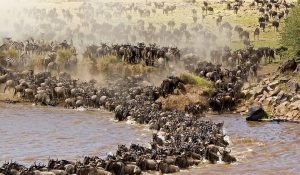
Yet the migration is about far more than river crossings. Throughout their journey, the herds support an entire ecosystem. Lions, cheetahs, leopards, spotted hyenas, crocodiles, and vultures all benefit from this seasonal abundance of prey. The constant grazing also stimulates fresh grass growth, disperses seeds, and naturally fertilizes the soil, helping maintain the health of the savannah.
For visitors, every stage of the migration offers something unique. While river crossings are the most famous attraction, quieter moments, such as newborn calves taking their first steps or vast herds stretching across the horizon, can be just as memorable.
Explore our guide to the best places you can witness the Great Migration in the Masai Mara.
Zebra Migrations in Kenya
Although zebras often share the spotlight with wildebeest during the Great Migration, they also undertake important seasonal movements of their own within Kenya. Plains zebras respond to rainfall and the availability of fresh grazing, moving between different grazing areas as conditions change throughout the year.
In northern Kenya, particularly within the Samburu-Laikipia ecosystem, zebras travel between community conservancies, private conservancies, and protected areas in search of better pasture and reliable water sources. These movements are less dramatic than the mass river crossings of the Maasai Mara, but they are equally important for maintaining healthy grassland ecosystems.
Zebras and wildebeest frequently migrate together because their feeding habits complement one another. Zebras are able to graze on taller, coarser grasses, effectively trimming them and allowing wildebeest to feed on the shorter, more nutritious shoots that remain. This natural partnership reduces competition and enables both species to make efficient use of the same landscape.
Protecting migration corridors across northern Kenya has become increasingly important as expanding settlements, fencing, and infrastructure threaten traditional movement routes that have existed for generations.
Elephant Seasonal Migrations
Elephants may not migrate in enormous herds like wildebeest, but their seasonal movements are among the most significant in Kenya. Rather than following a fixed circular route, elephant families travel between different habitats in response to rainfall, food availability, and access to water.
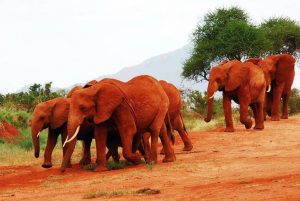
One of Kenya’s best-known elephant movement corridors links Amboseli National Park with the surrounding community lands and the forests of Mount Kilimanjaro in Tanzania. During different times of the year, elephants move beyond park boundaries in search of fresh vegetation before returning as conditions change.
Another important landscape is the vast Tsavo ecosystem, where elephants roam across Tsavo East National Park, Tsavo West National Park, and neighboring conservancies. These seasonal journeys can cover remarkable distances, highlighting just how much space elephants require to thrive.
Because elephants often travel outside protected areas, conserving migration corridors has become essential. Wildlife overpasses, community conservancies, and collaborative land management projects now play an increasingly important role in ensuring that elephants can continue using their traditional routes while reducing conflict with nearby communities.
For safari visitors, witnessing a family of elephants steadily making its way across the landscape offers a powerful reminder that these gentle giants have followed the same pathways for centuries.
Buffalo and Other Seasonal Herbivore Movements
Not all migrations involve spectacular river crossings or international borders. Across Kenya, African buffalo and many antelope species, including eland, hartebeest, topi, and impala, undertake seasonal movements in response to changing grazing conditions and water availability.
During the wet season, animals spread across vast areas as fresh grass becomes abundant. When the dry season arrives, they gradually concentrate around permanent rivers, wetlands, and waterholes where food remains available. These movements help prevent overgrazing in any one location while ensuring that herbivores can continue finding enough resources throughout the year.
These seasonal shifts also influence the behavior of predators. Lions, hyenas, leopards, and African wild dogs often adjust their territories and hunting strategies to follow concentrations of prey, creating an ever-changing balance across Kenya’s ecosystems.
Although these movements rarely receive the same attention as the Great Wildebeest Migration, they are a vital part of Kenya’s natural rhythms and contribute significantly to the health and resilience of its wildlife populations.
Bird Migrations in Kenya
Kenya is widely regarded as one of Africa’s premier birdwatching destinations, with more than 1,100 recorded bird species. While many are resident throughout the year, hundreds are migratory, arriving from distant continents or moving within Africa in response to seasonal changes.
From the vibrant spectacle of flamingos gathering on Rift Valley lakes to elegant raptors soaring thousands of kilometers from Europe and Asia, bird migration adds another extraordinary dimension to Kenya’s wildlife. Unlike mammals, many of these journeys unfold high above the landscape, connecting ecosystems across continents and making Kenya an essential stopover and wintering ground on some of the world’s major migratory flyways.
The country’s remarkable diversity of habitats, including wetlands, lakes, forests, savannahs, mountains, and coastal ecosystems, provides food, shelter, and breeding opportunities for birds from around the globe. Whether you’re an experienced birder or simply enjoy spotting wildlife during a safari, these seasonal arrivals make every visit to Kenya unique.