Tanzania
 About Tarangire National Park
Nestled in the heart of Tanzania’s northern safari circuit, Tarangire National Park serves as a stunning introduction to the country’s wild diversity. Characterized by a prehistoric landscape of ancient, gnarled baobab trees and expansive golden savannahs, it is often overshadowed by its famous neighbors, yet it offers a raw and intimate wilderness experience that is hard to match. The park is defined by the life-giving Tarangire River, which carves a permanent path through the terrain, creating a lush sanctuary that sustains a staggering density of wildlife. For those seeking the classic “Old Africa” atmosphere – where the horizon is dotted with silhouettes of giants and the air is filled with the calls of over 500 bird species – this park is an essential stop on any Tanzanian itinerary.
Why Visit Tarangire National Park?
Often referred to as the ‘Home of the Giants,’ Tarangire is a sanctuary of ancient baobabs and massive elephant herds. While many travelers head straight to the Serengeti, those who stop here are rewarded with a raw, uncrowded wilderness. During the dry season, the Tarangire River becomes a magnetic lifeline, drawing thousands of animals from the surrounding Maasai Steppe to its permanent waters. It is the only place in northern Tanzania where you can regularly spot dry-country specialists like the fringe-eared oryx and the long-necked gerenuk.
Highlights:
- Elephant Empire: Home to some of Africa’s largest elephant herds, numbering in the hundreds.
- Baobab Landscapes: Dramatic scenery featuring ancient “upside-down” trees over 1,000 years old.
- Dry Season Refuge: The Tarangire River acts as a vital magnet for migratory wildlife.
- Rare Antelope Sightings: Spot unique species like the Fringe-eared Oryx and Lesser Kudu easily.
- Night Safari Magic: One of the few national parks allowing thrilling nocturnal game drives.
- Birdwatcher’s Haven: Over 550 species, including the endemic Ashy Starling and Lovebirds.
Must Visit Attractions & Safari Tips:
- The Lemiyon Triangle: Located at the northern tip, this area boasts the densest concentration of massive baobab trees.
- Poacher’s Hide: An ancient, hollowed-out baobab once used by hunters as a secret lookout.
- Matete Woodlands: Thick acacia stands that provide the best territory for spotting elusive leopards.
- Safari Tip: Bring warm layers for early morning drives; despite the afternoon heat, it gets very chilly at dawn.
- Safari Tip: Stay at least two nights. The southern part of the park is remote and requires time to reach but offers incredible solitude.
The Elephant Migration
Every year between July and October , the landscape transforms as thousands of animals migrate from the parched Maasai Steppe to the Tarangire River . While not as famous as the Serengeti trek, this gathering of over 3,000 elephants , buffalo, and wildebeest creates one of the highest concentrations of wildlife in Tanzania.
Destination Highlights
Big 5 Encounters
While rhinos are absent, lion prides and leopards are seen daily here.
Colossal Elephant Herds
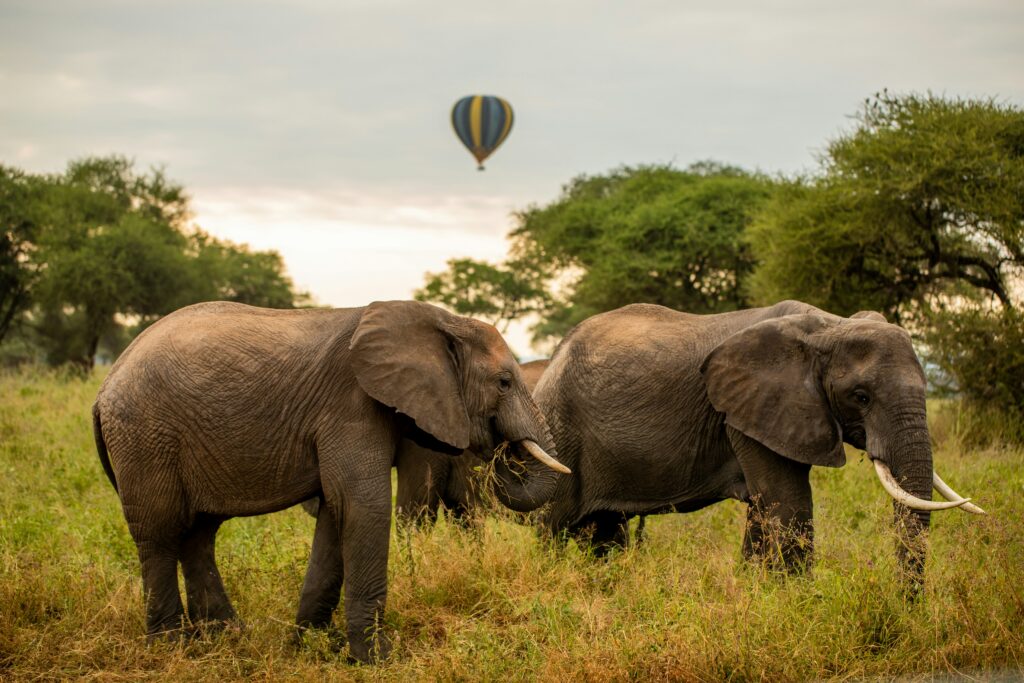
Watch hundreds of elephants gather at the river—a truly giant spectacle.
Ancient Baobab Vistas
Drive through "the Garden of Baobabs" for the most iconic African photos.
The Silale Swamp
This lush wetland remains green year-round, attracting predators and prey.
Walking Safari Thrills
Step out of the vehicle to track wildlife on foot with expert rangers.
Nocturnal Discoveries
Encounter elusive genets, civets, and hunting lions under the starlight.
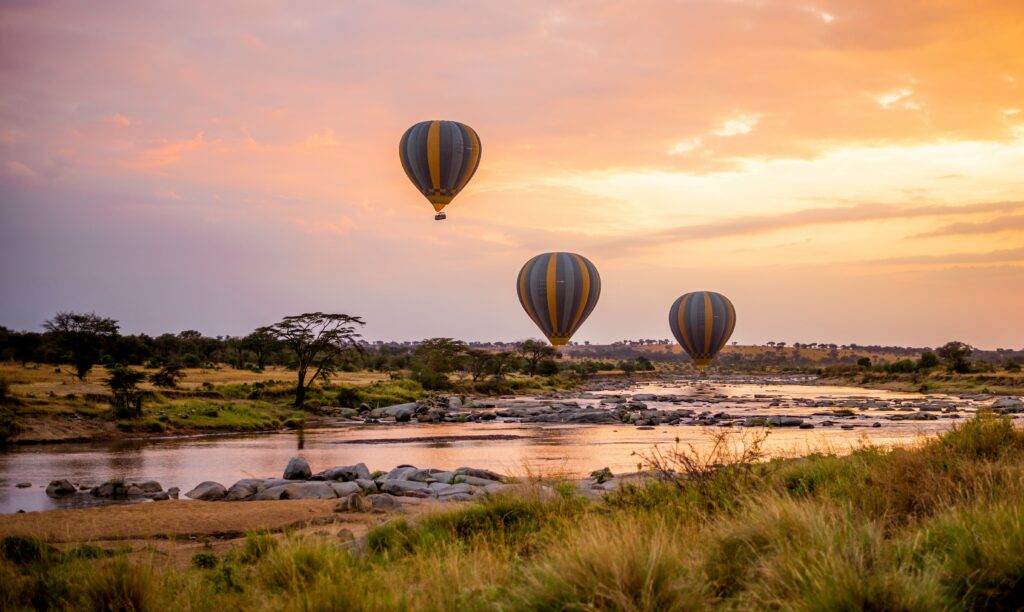
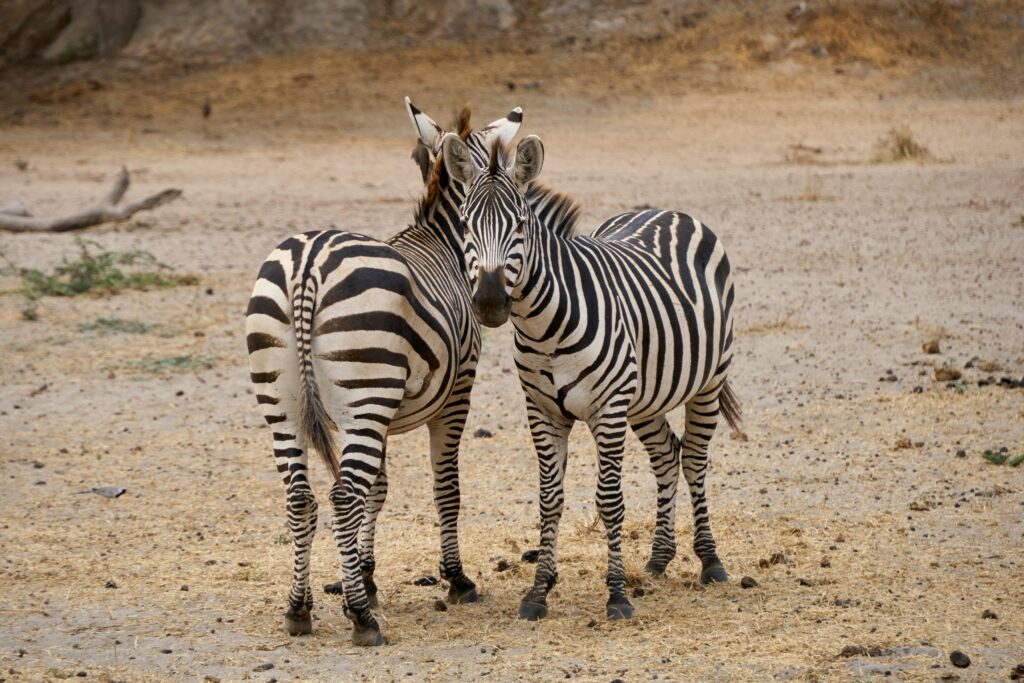
Tarangire National Park in Pictures

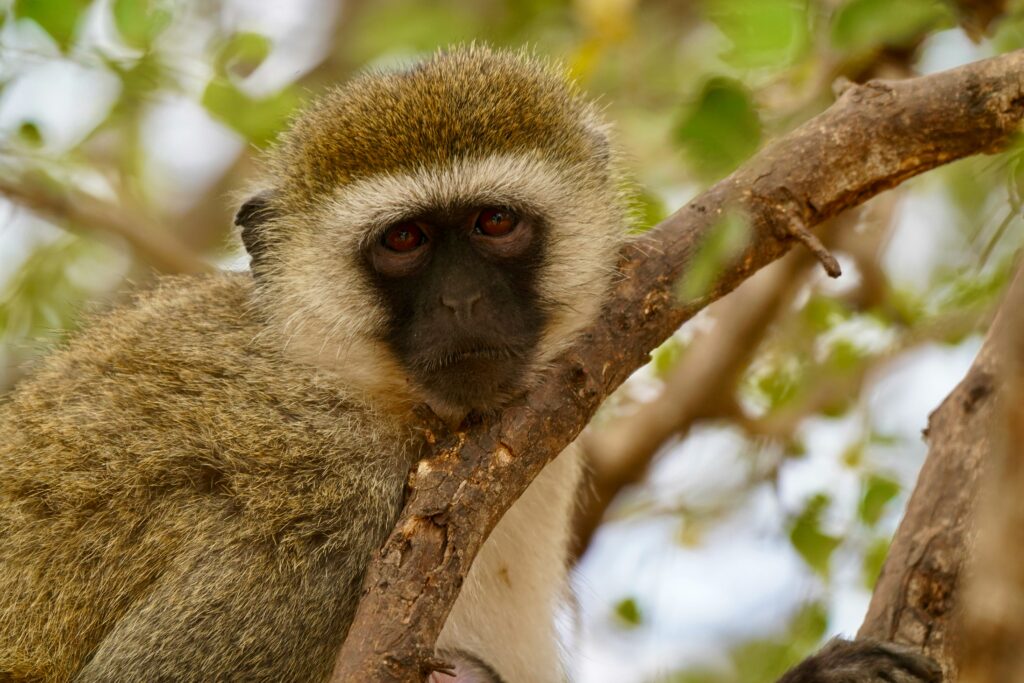
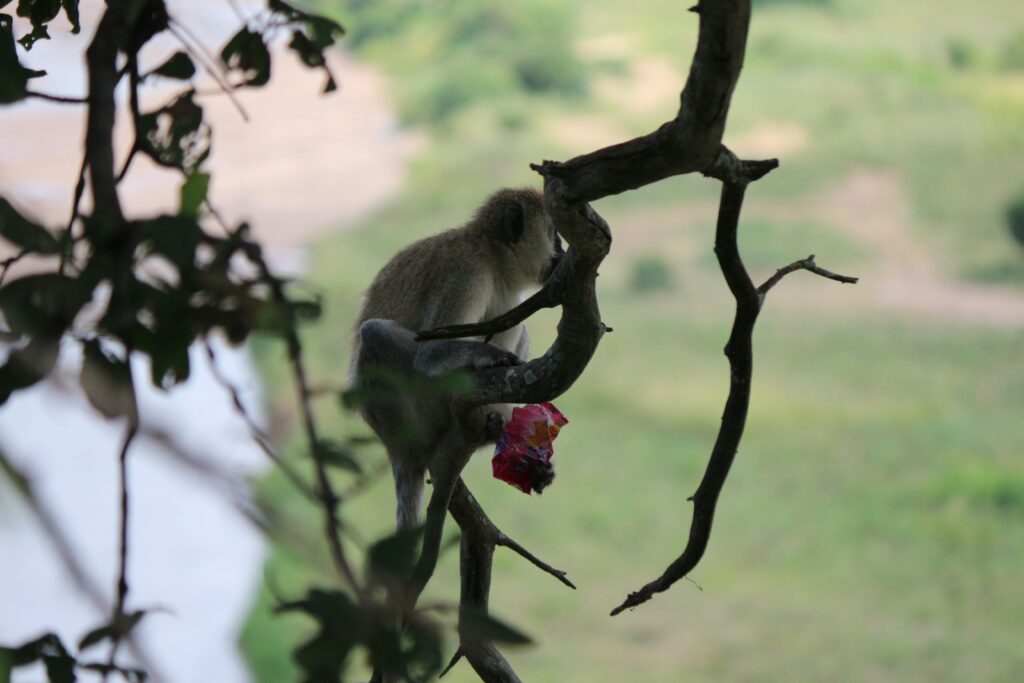
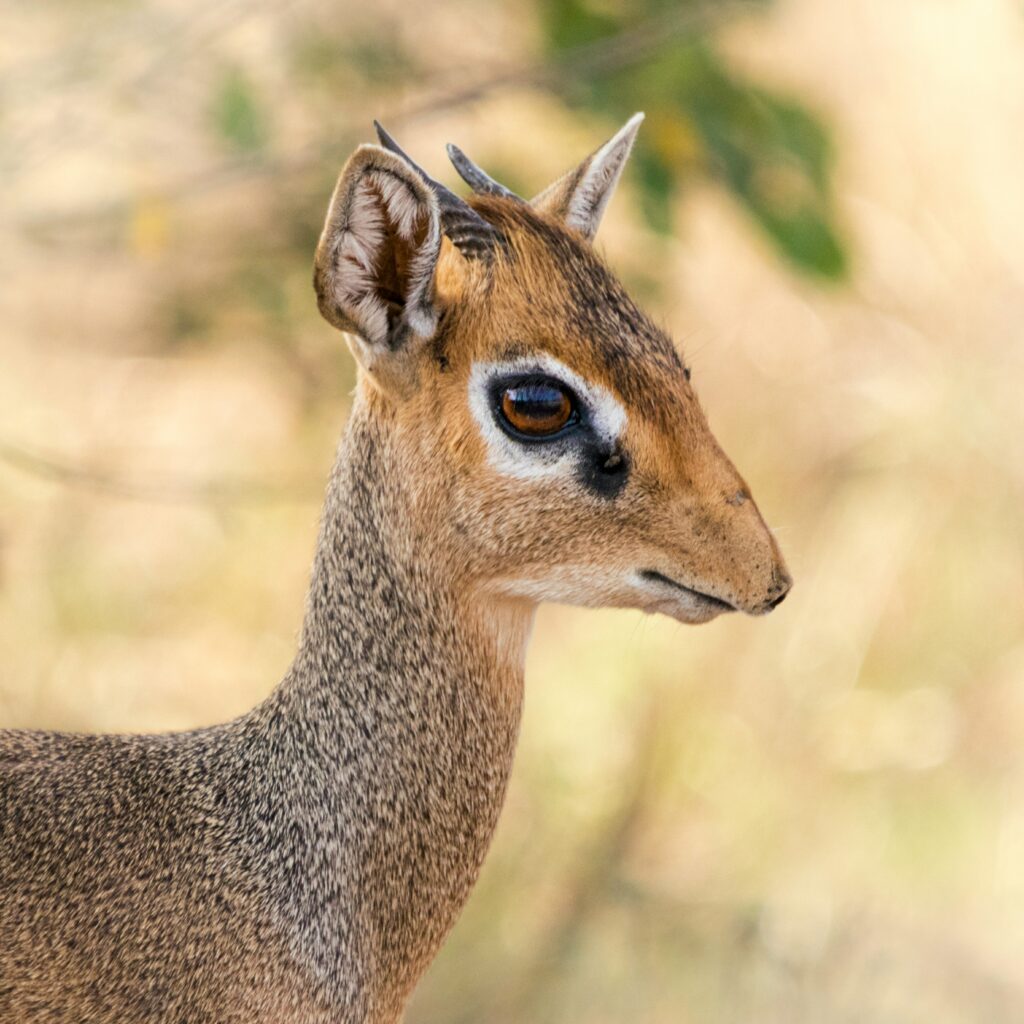
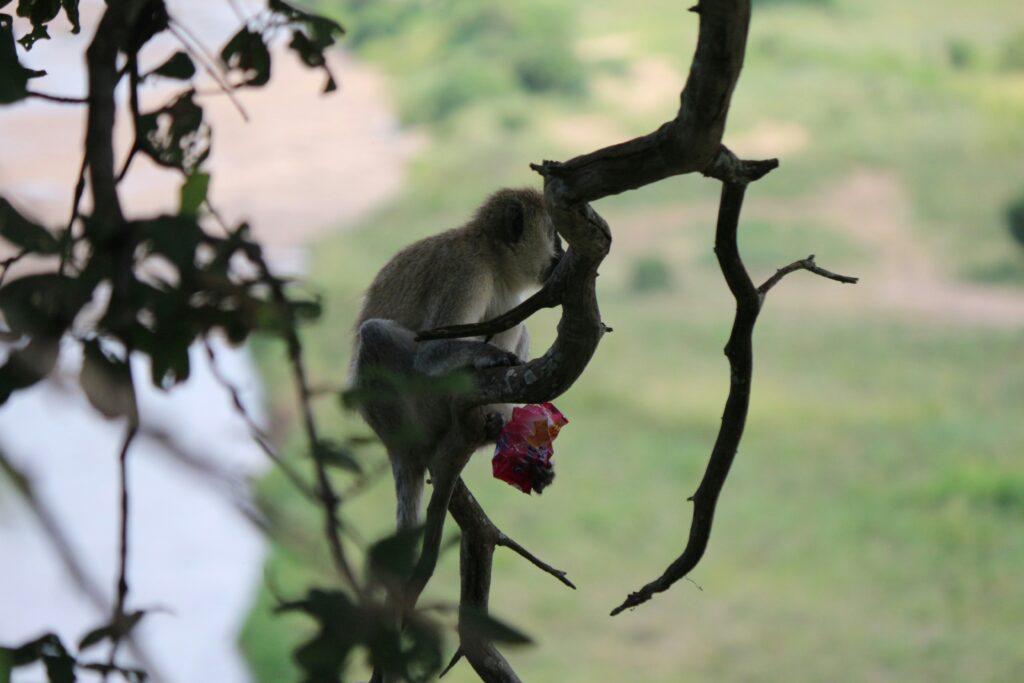

Tarangire National Park Safari Packages
From budget shared safaris to luxury flying experiences — find the perfect adventure for your style and budget.
Safari packages coming soon. Contact us for a custom itinerary.
Where to Stay
Tourist Camps
Affordable tented comfort with stunning views of Lake Burunge.
- Tarangire Public Campsite
- Sangaiwe Tented Lodge
- Roika Tarangire Tented Lodge
Tented Lodges
Elegant lodges nestled among baobabs with classic safari amenities.
- Tarangire Sopa Lodge
- Maramboi Tented Camp
- Tarangire Simba Lodge
Premium Lodges
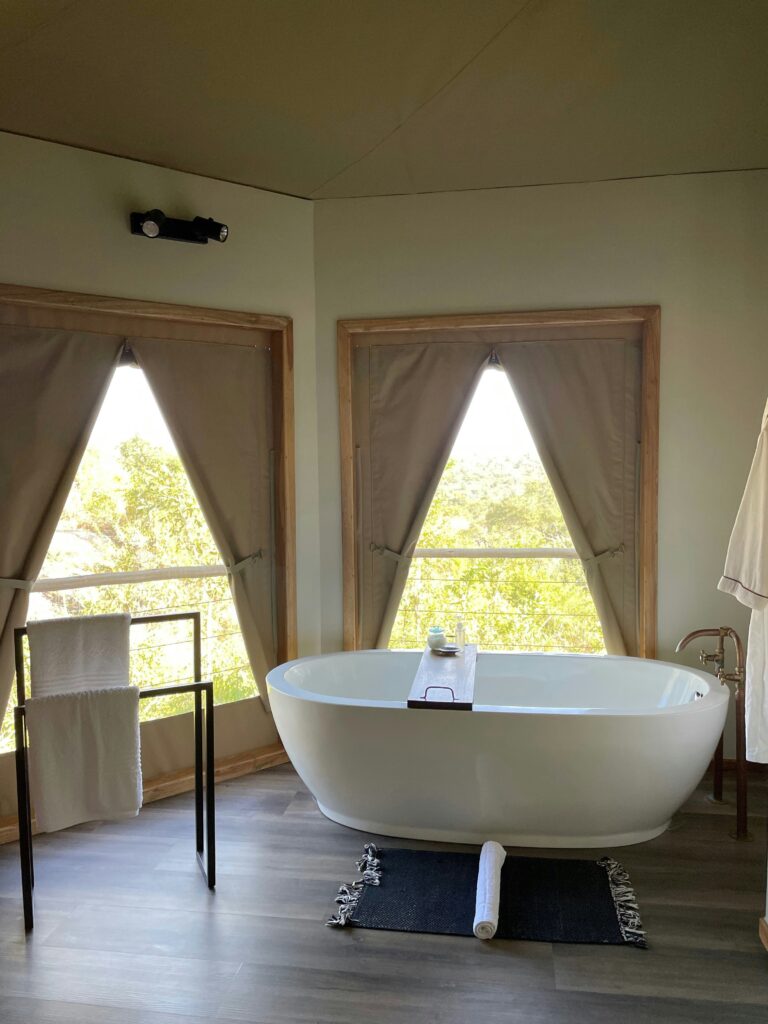
Exclusive treehouses and ultra-luxe tents for a premier bush experience.
- Tarangire Treetops
- Sanctuary Swala Camp
- Mpemeke Tarangire
Best Time to Visit
Dry Season
June – October- River Gatherings
- Big 5 Spotting
- Optimal Tracking
- Dusty Sunsets
Short Rains Season
November - December- Bird Migrations
- Green Rebirth
- Lower Crowds
- Newborn Plains Game
Long Rains
March - May- Landscape Photography
- Floral Bloom
- Solitary Safaris
- Grazing Abundance
Tarangire National Park FAQ
For non-resident adults (16+), the conservation fee is USD $59 per 24 hours. For children aged 5 to 15, the fee is USD $17.70. Children under 5 years of age enter for free. Please note that cash is no longer accepted at the gates; payments must be made via credit card (Visa/Mastercard) or through the Government electronic Payment Gateway (GePG) portal.
The peak wildlife viewing period is the Dry Season (late June to October). During these months, the thinning vegetation makes spotting animals easier, and the Tarangire River becomes the only permanent water source, drawing massive herds of elephants, buffalo, and plains game from across the Maasai Steppe.
You can spot four of the Big 5: Lion, Leopard, Elephant, and Buffalo. While Black Rhinos are not resident in the park, Tarangire is world-famous for having the highest concentration of elephants in Northern Tanzania, often seen in herds of up to 300.
Yes! Unlike many other parks, Tarangire is one of the few places where you can experience the bush after dark. Night game drives (approx. USD $59 permit fee plus lodge costs) and guided walking safaris (approx. USD $23.60 permit fee) are available through authorized lodges and TANAPA rangers.
The official park gates are open from 06:00 AM to 06:00 PM. Visitors staying outside the park must exit by 6:00 PM unless they have a specific permit for an authorized night game drive.
Pack lightweight, neutral-colored clothing for the day, but bring warm layers (a fleece or light jacket) for early morning and evening drives, as temperatures can drop to 14°C (57°F). Don't forget high-SPF sunscreen, a hat, and binoculars for birdwatching.
Most international travelers require a tourist visa (USD $50 for most, USD $100 for US citizens), which can be obtained as an e-visa or on arrival. A Yellow Fever certificate is mandatory if you are arriving from or transiting (more than 12 hours) through an endemic country. Malaria prophylaxis is strongly recommended.