Tanzania
  Mid-Range
12 Days
Mid-Range
12 Days
About Mt Kilimanjaro Trekking
Mt Kilimanjaro Trekking is the ultimate bucket-list adventure, offering the chance to stand on the highest free-standing mountain in the world. Rising 5,895 meters above the Tanzanian plains, this dormant volcano is one of the Seven Summits and a UNESCO World Heritage site. Unlike other high-altitude climbs, Kilimanjaro requires no technical skills, making it accessible to fit hikers who wish to journey through five distinct ecological zones – from lush tropical rainforests to the arctic ice cap of Uhuru Peak.
Why visit Mt Kilimanjaro for Trekking?
It is the only place on Earth where you can walk from the equator to the arctic in a matter of days. The sense of achievement upon reaching the summit at sunrise, coupled with the dramatic views of the Furtwängler Glacier and the vast African savannah below, is unmatched
Primary Trekking Routes:
Choosing the right path is the most critical decision for your Mt Kilimanjaro Trekking experience:
- Machame (“Whiskey”) Route: Most popular; highly scenic with a “climb high, sleep low” profile. (6–7 days)
- Lemosho Route: Widely considered the most beautiful; remote start with high success rates. (7–8 days)
- Marangu (“Coca-Cola”) Route: The only route with hut dormitory sleeping; classic but steep ascent. (5–6 days)
- Northern Circuit: The newest and longest route; offers 360-degree views and 98% success rate. (9–10 days)
- Rongai Route: The only approach from the North; drier and quieter, perfect for the rainy season. (6–7 days)
- Umbwe Route: The shortest, steepest, and most taxing; for very experienced hikers only. (5–6 days)
- Shira Route: Starts at a high altitude via 4WD; requires prior acclimatization. (7 days)
Must-Visit Attractions:
- Materuni Waterfalls: A stunning 80m drop near the park for pre-trek acclimatization.
- Chala Crater Lake: A deep turquoise caldera lake on the border of Kenya and Tanzania.
- Kibo Crater: The inner ash pit and glaciers at the very top of the mountain.
Practical Safari Tips:
- Pole Pole: This Swahili phrase means “slowly, slowly” – the golden rule for avoiding altitude sickness.
- Gear Check: Ensure your boots are broken in and your sleeping bag is rated for -15°C.
- Hydration: Drink at least 3-4 liters of water daily to help your body adjust to the thin air.
Mount Kilimanjaro: The Roof of Africa
Rising to 5,895 meters , Mt Kilimanjaro Trekking is a journey through 5 distinct eco-zones . Trekkers navigate the Barranco Wall and volcanic deserts to stand at Uhuru Peak , where the big 5 of the mountain’s heights—glaciers, craters, and peaks—meet the endless African horizon.
What Makes It Special
Destination Highlights
The Uhuru Peak Summit
Reach the highest point in Africa for a life-changing sunrise view.
Five Climate Zones
Journey from tropical rainforest to an arctic desert in one week.
Ancient Glaciers
Witness the towering ice walls that have topped the peak for millennia.
Shira Plateau
Explore one of the highest plateaus on Earth with stunning vistas.
Barranco Wall
Conquer the famous "Breakfast Wall," a thrilling non-technical scramble.
Lava Tower
Stand beside a 300ft volcanic rock formation at 4,600m altitude.
Photo Gallery
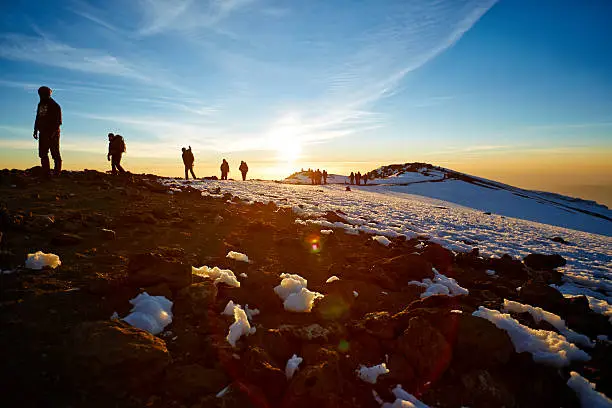
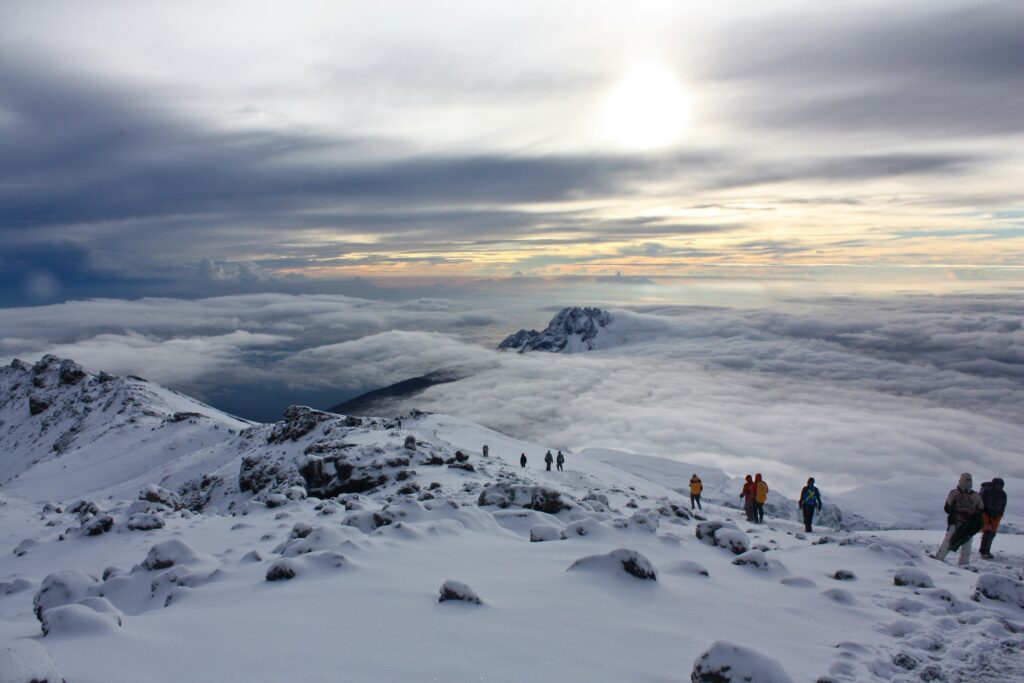
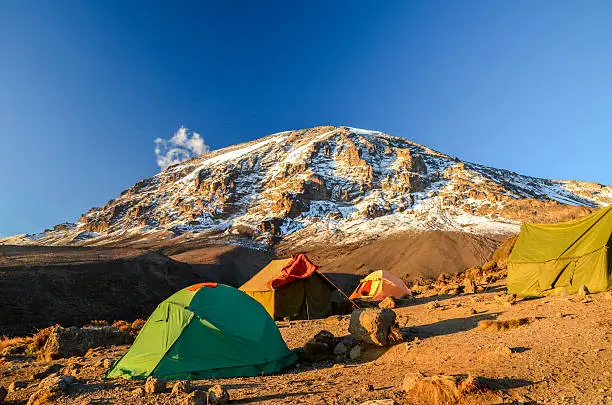

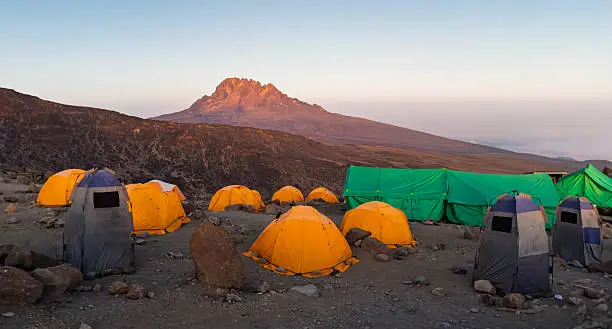
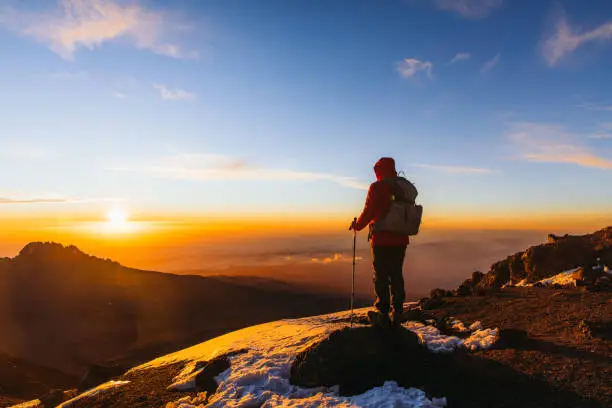
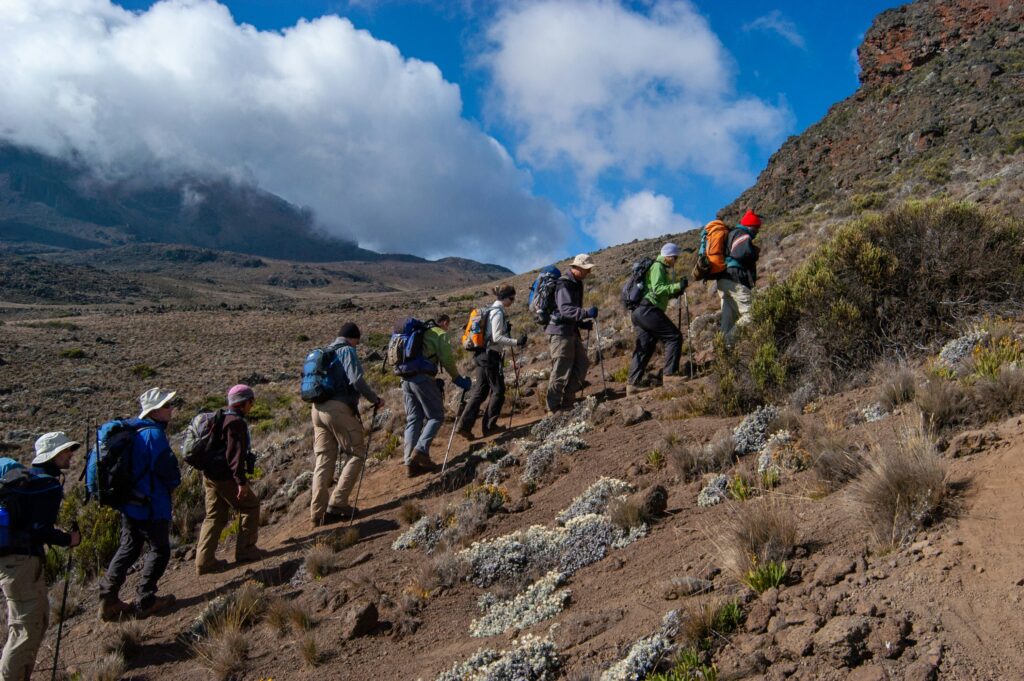
Mt Kilimanjaro Trekking in Pictures
Browse Packages
Mid-Range
12 Days
Mt Kilimanjaro Trekking Safari Packages
From budget shared safaris to luxury flying experiences — find the perfect adventure for your style and budget.
Mid-Range
12 Days
Accommodation Options
Where to Stay
Budget
Tourist Camps
Simple, clean lodges in Moshi providing essential pre-trek prep and rest.
- Parkview Inn
- Bristol Cottages
- Salinero Hotel
From $150/night
Mid-Range
Tented Lodges
Charming boutique hotels with pools and gardens for comfortable recovery.
- Chanya Lodge
- Weru Weru River Lodge
- Kaliwa Lodge
From $300/night
Luxury
Premium Lodges
High-end wellness retreats offering spa services and mountain-view suites.
- Kilimanjaro Wonders Hotel
- Aishi Machame
- Kibo Palace
From $600/night
Planning Your Visit
Best Time to Visit
Dry Season
June – October- Highest summit success
- Clear, blue skies
- Chilly nights
- Crowded popular routes
Short Rains Season
November - December- Lower trekker volume
- Dust-free trails
- Brief afternoon showers
- Lush green scenery
Warm Dry Season
January - March- Stunning snow caps
- Excellent visibility
- Mild temperatures
- Quiet forest trails
Common Questions
Mt Kilimanjaro Trekking FAQ
The trek typically takes between 5 to 9 days. While the Marangu route can be done in 5 days, it is highly recommended to take at least 7 or 8 days (such as on the Lemosho or Machame routes) to allow your body to properly acclimatize to the altitude, significantly increasing your summit success rate.
No. Mt Kilimanjaro Trekking is a "walk-up" mountain. No ropes, ice axes, or technical mountaineering experience are required. However, you must be in good physical condition as you will be hiking for 6–8 hours daily (and up to 14 hours on summit day) on varied terrain.
The Marangu Route is nicknamed the "Coca-Cola" route because it is considered the easiest and offers hut dormitory sleeping. The Machame Route is known as the "Whiskey" route; it is more rugged, scenic, and challenging, but offers a better "climb high, sleep low" profile for acclimatization.
No. Under Tanzanian law and National Park regulations, all trekkers must be accompanied by a licensed guide. A standard support team also includes a cook and several porters who carry your heavy gear and set up camp.
Temperatures vary drastically by ecological zone. While it may be 30°C at the rainforest base, temperatures at Uhuru Peak can drop to between -10°C and -20°C with wind chill. High-quality thermal layers and a sleeping bag rated for at least -15°C are essential.
Common symptoms include headaches, nausea, dizziness, and loss of appetite. Your guides will monitor you daily. If symptoms become severe (High Altitude Pulmonary or Cerebral Edema), the only cure is immediate descent.
Beyond standard hiking clothes, you must have waterproof layers (Gore-Tex), a down jacket, well broken-in hiking boots, a headlamp for the midnight summit push, and polarized sunglasses to protect against snow blindness.
Tipping is a standard and expected practice in the trekking industry in Tanzania. You should budget approximately $250 to $300 total per trekker to be distributed among your lead guide, assistant guide, cook, and porters.
The official minimum age for reaching Uhuru Peak is 10 years old. There is no official maximum age, provided the individual is in excellent health and has cleared the trip with a medical professional.
Location
Getting There
LocationKilimanjaro Region (Northern Tanzania)
By RoadReliable paved roads connect the mountain to Moshi and Arusha
By AirFly into Kilimanjaro International Airport (JRO)
GPS Coordinates-3.0764° S, 37.3540° E